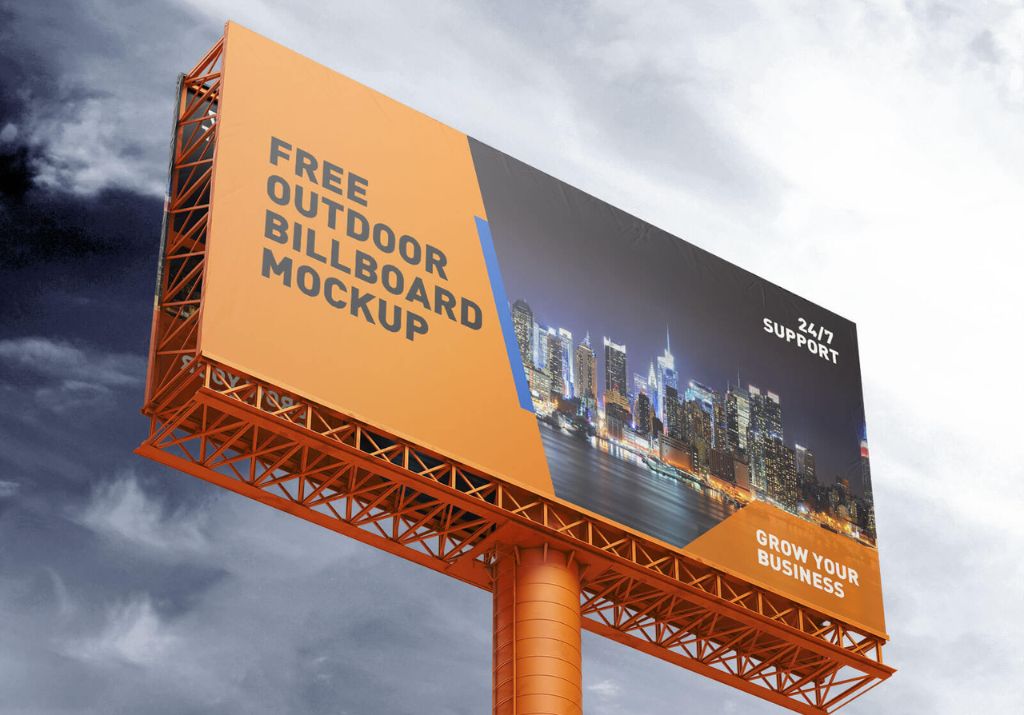
Out of home (OOH) advertising has undergone a significant transformation in recent years, fueled by advancements in digital and mobile technologies. This blog delves into how OOH advertising is adapting to leverage these technologies, enhancing its effectiveness in reaching and engaging audiences in today’s digital age.
The Rise of Digital Out of Home (DOOH)
Introduction to DOOH
Digital out of home (DOOH) advertising involves using digital displays such as digital billboards, interactive kiosks, and digital screens in transit stations. Unlike traditional static billboards, DOOH allows for dynamic content delivery and real-time updates.
Advantages of DOOH
DOOH offers several advantages over traditional OOH advertising. It enables advertisers to display multiple ads in rotation, target specific audiences based on location and time of day, and even integrate real-time data such as weather or traffic conditions.
Integration with Mobile Technologies
Mobile-DOOH Integration
Mobile technologies play a crucial role in enhancing the effectiveness of DOOH. Many DOOH campaigns now incorporate mobile integration, allowing viewers to interact with ads via their smartphones. This can include features like QR codes, NFC (Near Field Communication), or augmented reality (AR) experiences.
Location-Based Targeting
Mobile data enables advertisers to target audiences based on their precise location. By leveraging GPS data from mobile devices, advertisers can deliver highly relevant and context-aware ads on DOOH screens in proximity to the viewer.
Dynamic Content and Personalization
Dynamic Content Updates
DOOH screens allow for dynamic content updates, ensuring that ads remain relevant and engaging. Advertisers can update content remotely, promoting seasonal offers, real-time promotions, or adjusting messaging based on audience response.
Personalized Messaging
With the integration of mobile data and digital technologies, DOOH campaigns can deliver personalized messages to viewers. By analyzing consumer behavior and preferences gathered from mobile devices, advertisers can tailor content to resonate with specific audience segments.
Measurement and Analytics
Real-Time Analytics
One of the key advantages of digital technologies in OOH advertising is the ability to measure campaign effectiveness in real-time. Advertisers can track metrics such as impressions, engagement rates, and conversion rates, providing valuable insights into campaign performance.
Attribution Models
Advanced attribution models help advertisers understand the impact of DOOH campaigns on consumer behavior. By correlating exposure to DOOH ads with subsequent actions taken on mobile devices or online, advertisers can attribute conversions and ROI directly to their OOH efforts.
Challenges and Future Trends
Technological Integration Challenges
While digital and mobile integration offers significant benefits, it also presents challenges such as technological compatibility, data privacy concerns, and ensuring seamless user experiences across different devices and platforms.
Future Trends in OOH Advertising
AI-Powered Content Optimization
Artificial Intelligence (AI) is poised to revolutionize out of home (OOH) advertising by optimizing content delivery in real-time. AI algorithms can analyze vast amounts of data, including audience demographics, behavior patterns, and environmental factors, to tailor advertisements dynamically. This ensures that the right message reaches the right audience at the most opportune moment. For instance, AI can adjust content based on weather conditions, showing advertisements for cold beverages on hot days or promoting indoor activities during rainy weather. This level of personalization increases engagement and improves the overall effectiveness of OOH campaigns.
5G Connectivity for Richer Media Experiences
The rollout of 5G technology promises to enhance OOH advertising by enabling faster data transmission and lower latency. This advancement supports the use of high-definition video, interactive displays, and augmented reality (AR) features in digital out of home (DOOH) advertisements. With 5G, advertisers can deliver immersive and engaging experiences, such as live-streaming events, interactive games, or real-time social media feeds, directly on digital billboards. This enhanced connectivity also allows for more seamless integration with mobile devices, creating a cohesive and interactive advertising ecosystem.
Integration with the Internet of Things (IoT)
The Internet of Things (IoT) is expanding the possibilities for OOH advertising by connecting various devices and sensors to the internet. This interconnectedness allows for smarter and more responsive advertising solutions. For example, digital billboards can be equipped with sensors that detect the number of people in proximity, adjusting the content based on crowd density. Additionally, IoT-enabled billboards can interact with connected cars, providing drivers with relevant advertisements based on their location and driving patterns. This synergy between OOH advertising and IoT enhances the precision and relevance of marketing efforts.
Programmatic Advertising
Programmatic advertising is becoming increasingly prevalent in the OOH space, allowing advertisers to automate the buying and placement of ads based on real-time data and audience insights. This approach streamlines the ad purchasing process, making it more efficient and cost-effective. Programmatic platforms can analyze data from various sources, such as mobile devices, social media, and web behavior, to identify the best times and locations for displaying ads. This data-driven approach ensures that advertisements are shown to the most relevant audience, maximizing impact and ROI.
Sustainable and Eco-Friendly Advertising
As environmental concerns continue to grow, the OOH advertising industry is embracing sustainability. Advertisers are increasingly using eco-friendly materials and energy-efficient digital displays. For instance, solar-powered billboards and LED displays consume less energy and have a lower carbon footprint compared to traditional billboards. Additionally, digital billboards can reduce waste by eliminating the need for physical posters that require frequent replacement. This shift towards sustainability not only benefits the environment but also appeals to environmentally conscious consumers, enhancing brand reputation.
Enhanced Measurement and Analytics
The future of OOH advertising will see more sophisticated measurement and analytics capabilities. Advanced tracking technologies, such as facial recognition and eye-tracking, can provide deeper insights into audience engagement and interaction with ads. These technologies can measure metrics like dwell time, gaze direction, and emotional responses, offering a more comprehensive understanding of ad performance. By leveraging these insights, advertisers can refine their strategies, optimize content, and improve the overall effectiveness of their OOH campaigns.
Interactive and Immersive Experiences
Interactive and immersive experiences are becoming a cornerstone of modern OOH advertising. Augmented reality (AR) and virtual reality (VR) technologies enable advertisers to create engaging and memorable experiences for consumers. For example, an AR-enabled billboard can allow passersby to interact with virtual elements through their smartphones, while a VR kiosk can transport users to a simulated environment related to the advertised product or service. These interactive experiences not only capture attention but also foster deeper engagement and brand connection.
Data Privacy and Ethical Considerations
As OOH advertising becomes more data-driven, ensuring data privacy and ethical considerations will be paramount. Advertisers must navigate regulations and public concerns regarding the collection and use of personal data. Transparent data practices, clear consent mechanisms, and adherence to privacy regulations will be essential to maintain consumer trust. By prioritizing ethical considerations, advertisers can balance innovation with responsible data usage, fostering a positive relationship with their audience.
Conclusion
Out of home advertising is evolving rapidly with the integration of digital and mobile technologies. Digital out of home (DOOH) advertising, in particular, offers enhanced targeting capabilities, dynamic content delivery, and real-time measurement of campaign effectiveness. By embracing these advancements, advertisers can effectively engage audiences in the increasingly digital world. As technology continues to evolve, the future of OOH advertising holds exciting opportunities for creativity, personalization, and impactful audience engagement.